


 by akiyasjapan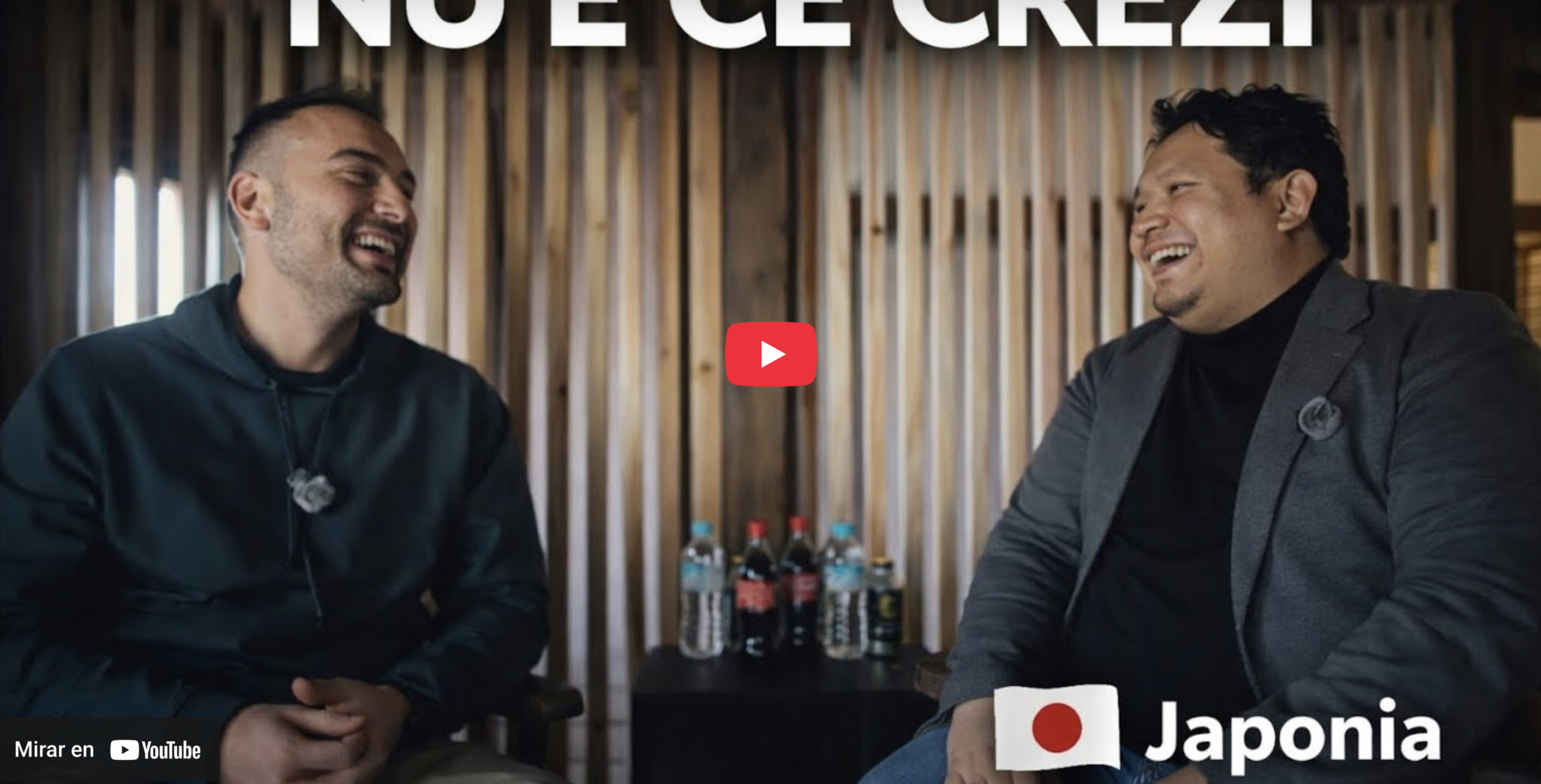
In the quiet, timber-framed interior of a traditional house on Sado Island, a conversation unfolds that captures the zeitgeist of modern Japan—a nation caught between a shrinking population and a burgeoning interest from the outside world. Bogdan, a recent European investor in Japanese real estate, sits down with Jose Miguel Ywasaki, the CEO of Akiyas Japan. Their dialogue serves as a microcosm for a much larger global trend: the rediscovery of rural Japan as a sanctuary of affordability, safety, and a unique quality of life that seems to have evaporated from much of the West.
The Bridge Between Worlds
Jose Miguel Ywasaki represents the changing face of Japanese demography. Half-Japanese and half-Peruvian, he arrived in the archipelago at the age of eleven. His journey was one of rapid assimilation, mastering the language and culture to the point where he now consults for major municipalities like Yokohama on how to integrate foreign residents. “My goal was not to lose my Spanish,” Ywasaki admits, highlighting the challenge of maintaining one’s roots in a society as homogeneous as Japan.
Today, Ywasaki stands at the intersection of bureaucracy and opportunity. His company, Akiyas Japan, has spent the last seven years navigating the complex waters of the “Akiya” market—the millions of abandoned homes scattered across the Japanese countryside. As a member of a government-funded expert board, he advises on disseminating Japanese language and culture to foreigners, a crucial step for a country that is slowly opening its doors to alleviate its demographic crisis.
The Akiya Phenomenon: Value in the Abandoned
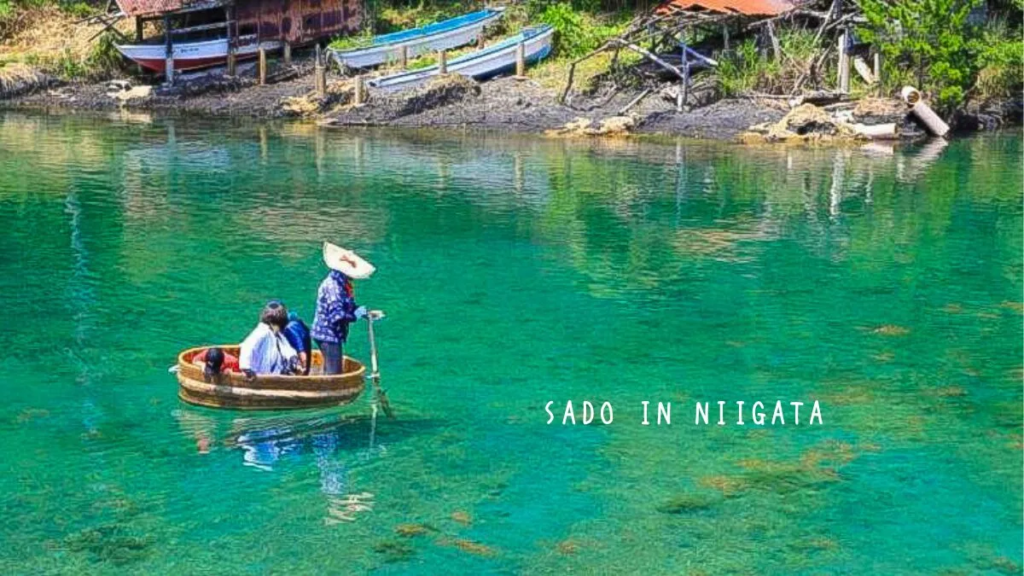
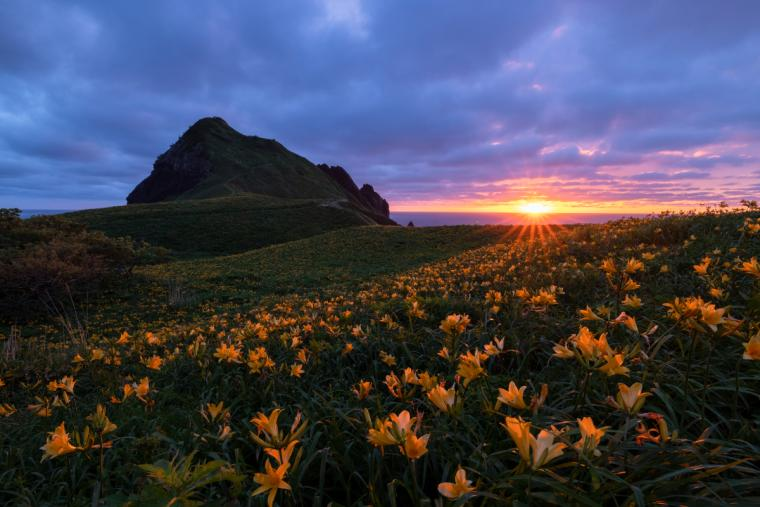
The focal point of the discussion is Sado Island, located in the Niigata Prefecture. Historically famous for its gold mines—the Sado Kinzan—which once fueled the coffers of the shogunate, the island is now attracting a different kind of prospector. These new arrivals are not seeking precious metals, but affordable living.
Bogdan recounts his experience purchasing a house on the island based on a mere six or seven photographs. To the average Western observer, buying real estate sight-unseen is a high-risk gamble. Yet, in rural Japan, it is becoming increasingly common. “You literally won the lottery,” Ywasaki tells him, surveying the property. The house, purchased for less than the price of a used economy car—or a “Dacia,” as Bogdan vividly puts it—sits on a solid concrete foundation, boasting sturdy timber beams that alone are worth more than the purchase price.
This creates a jarring dichotomy with the Western real estate market. In Europe or North America, real estate is viewed as an asset that perpetually appreciates. In rural Japan, houses depreciate, often retaining value only in the land they occupy. This devaluation, driven by a shrinking population and heirs who refuse to pay inheritance taxes on properties they don’t use, has created a market where a habitable home can cost less than $10,000.
However, the market is not uniform. Ywasaki explains the “Kanto Loop”—the ripple effect of pricing that starts in central Tokyo, where apartments can easily fetch millions of dollars, and spreads outward to Kanagawa, Saitama, and Chiba. But venture beyond this loop, to places like Niigata, and the prices plummet, offering incredible opportunities for those willing to embrace rural life.
Infrastructure and Isolation: The Sado Paradox
One might expect a $10,000 house on an island to be synonymous with isolation and decay. Yet, Sado defies this stereotype. The infrastructure is impeccable; roads are well-maintained, the streets are illuminated, and home centers are stocked—albeit with a two-week restocking lag that requires some logistical foresight.
The conversation reveals a potential game-changer for the island: the expansion of the local airport’s runway to accommodate commercial jets from Tokyo. Currently, reaching Sado involves a train to Niigata and a ferry ride. A direct flight would not only boost tourism—which is already projected to surge across Japan—but also integrate the island more tightly into the national economy. This potential for connectivity adds a layer of speculative value to Bogdan’s investment that goes beyond the timber and mortar.
The Cultural Fabric: Safety and “Omotenashi”
Perhaps the most compelling asset of rural Japan, however, is not the price of land but the social capital. Bogdan shares his astonishment at the local safety standards—neighbors leaving expensive tools in open driveways, or shoppers leaving cars running with purses on the seat. “It’s something money can’t buy,” Ywasaki notes. This level of trust is a relic of a high-context society where social harmony is paramount.
This extends to what Ywasaki describes as the innate kindness of the Japanese people. It is a “disinterested kindness,” devoid of the transactional nature often found in other tourist destinations. Stories of taxi drivers escorting passengers to elevators or neighbors spontaneously cleaning the street in front of a vacant house illustrate a collective sense of responsibility. It is a society where children are taught from primary school to leave a space cleaner than they found it, fostering a deep-seated respect for the communal environment.
Barriers to Entry: The Visa Hurdle
Despite the allure, the barriers to entry remain significant. The primary obstacle is the visa. While buying property is legal and relatively easy for foreigners, living in it full-time is a different matter. Japan does not offer a residency visa merely for property ownership. Ywasaki outlines the “digital nomad” workaround: utilizing the 90-day tourist visa, extending it to six months, and then making a “visa run” to nearby Korea or Hong Kong to reset the clock.
For those seeking a more permanent status, the Business Manager visa exists, but the requirements have tightened. The capital requirement—roughly 5 million yen ($30,000) a decade ago—has effectively risen due to stricter scrutiny and the need for a sustainable business plan, making it a steeper climb for casual investors.
Furthermore, there are the “Minpaku” regulations—rules governing short-term rentals like Airbnb. While operating a rental is a viable way to monetize an Akiya, it requires navigating municipal licensing, a service Ywasaki’s company provides. This bureaucratic layer ensures safety and compliance but acts as a filter against pure speculation.
A Future Built on the Past
As the yen weakens, making Japan more accessible than ever, and as remote work decouples income from location, the influx of foreigners into rural Japan is likely to accelerate. This presents challenges, from potential friction with local traditions to the gentrification of quiet villages. However, as evidenced by the interaction between Bogdan and his neighbors—who bring their extended families to meet the new foreign resident—there is also a profound hunger for connection.
Japan’s rural depopulation is a tragedy, but the Akiya movement suggests a form of rebirth. By bringing in new blood, new capital, and a fresh appreciation for traditional architecture, foreigners like Bogdan are not just buying cheap houses; they are participating in the preservation of a culture. As Ywasaki concludes, work in Japan is defined not just by productivity, but by the care put into the environment even when no one is watching. For the new wave of investors, the true return on investment may be learning to view life through that same lens of meticulous, disinterested care.